
As 2025 draws to a close, we take a moment to reflect on the year behind us—and the collective work that carried us through it. During a period marked by uncertainty and challenge, National CAPACD remained committed to our long-term vision and strategic priorities, moving forward with purpose and centering our coalition.
This year, we deepened our place-based approach by launching two new comprehensive community development initiatives rooted in local leadership and community power—and by deploying our first loan through the Our Neighborhoods Capital Fund (ONCF). We published new research that pairs data with stories of lived experience, more clearly reflecting both the realities and resilience of the low-income communities we serve. We also launched a redesigned website to better elevate the impact of our organization and coalition. Alongside this work, we advanced our policy and advocacy efforts in close partnership with our coalition and national allies. In honor of our 25th Anniversary, we additionally created both virtual and in-person spaces for connection across our coalition.
While this year-in-review highlights progress on our external strategic priorities, we also invested in strengthening our organization from within—building a workplace that reflects our values in practice. This included finalizing our organization’s bedrock values, advancing efforts to protect and support our staff, and deepening our engagement with Native Hawaiian and Pacific Islander leaders as part of our broader commitment to racial and gender equity.
As we look ahead to 2026, we do so with renewed clarity and steadfast commitment. We will continue to support our coalition, strengthen national partnerships, and stand alongside our communities through challenges, opportunities, and victories.
National CAPACD’s Coalition Grows in 2025
In 2025, we were proud to grow our coalition by welcoming 16 new organizations:
- Anamatangi Polynesian Voices (East Palo Alto, CA)
- Arizona Asian Chamber of Commerce (Phoenix, AZ)
- Asian Americans United (AAU) (Philadelphia, PA)
- Asian Arts Initiative (Philadelphia, PA)
- Beverly-Vermont Community Land Trust (Los Angeles, CA)
- Cambodian American Community Council of WA (CACCWA) (Seattle, WA)
- Cambodian Mutual Assistance Association of Greater Lowell (CMAA Lowell) (Lowell, MA)
- Filipino Community Development Corporation (FCDC) (San Francisco, CA)
- Kula no na Po’e Hawai’i (Honolulu, HI)
- Motivating Action Leadership Opportunity (MALO) (Inland Empire, CA)
- Pacific Islander Community Partnership (PICP) (Daly City, CA)
- Rise Now, Inc. (New York, NY)
- Southern California Pacific Islander Community Response Team (SoCal PICRT) (Carson, CA)
- The Greater Malden Asian American Community Coalition (GMAACC) (Malden, MA)
- Vietnamese American Initiative for Development, Inc. (VietAID) (Dorchester, MA)
- Waianae Economic Development Council (WEDC) (Waianae, HI)
National CAPACD’s Policy Achievements in 2025
In support of National CAPACD’s 2025-2028 Policy Platform and 2025-2026 Policy Action Agenda, National CAPACD’s policy team achieved a few milestones this year:
- Finalized our 2025-2028 Policy Platform through a coalition-wide vote, and the 2025-2026 Policy Action Agenda. Thank you to our coalition members and partners for their contributions.
- Submitted Fiscal Year 2026 (FY26) Congressional appropriations requests for housing counseling assistance, Section 202 Supportive Housing for the Elderly Program, the Community Development Financial Institutions (CDFI) Fund, and the Small Business Administration (SBA) Microloan program.
- Endorsed four Congressional bills, shared nine public statements, submitted three comment letters, released three joint press statements, and signed on to 46 support letters.
We also continued to work with our national partners in the following ways:
- Introduced a national financial coaching bill with the National Urban League and UnidosUS.
- Published a housing brief with the NAACP Legal Defense and Educational Fund, UnidosUS, and The Pew Charitable Trusts.
- Worked on a language access brief with the Migration Policy Institute.
- Co-hosted the 2025 People & Places Conference in Washington, D.C., with Community Opportunity Alliance, the National Association for Latino Community Asset Builders (NALCAB), the National Urban League, and the Black Community Developers Group (BCDG), where more than 160 participants from 28 states and 64 congressional districts took part in over 105 Congressional meetings during the conference’s Capitol Hill Day.
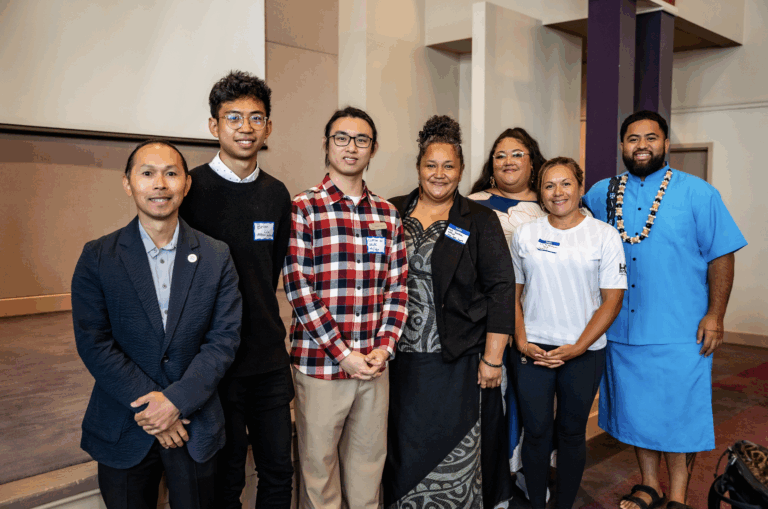
Our Community in the Capital (CITC) Fellowship provided seven fellows with the opportunity to spend five months learning about Asian American, Native Hawaiian, and Pacific Islander (AA and NHPI)-specific public policy advocacy, how the federal government impacts their work at the local and state government levels, and how to identify needs in their communities and translate them into policy solutions. The 2025 CITC Fellows attended an in-person retreat in Oakland and participated in National CAPACD’s 25th Anniversary coalition convening in the Bay Area. Their fellowship culminated with the D.C. Advocacy Institute, where the fellows met with their district’s Congressional office to share about their organizations, communities, and policy priority requests.
National CAPACD Releases New Reports on the Economic Needs of AA and NHPI Communities
Developed in partnership with the Urban Institute, National CAPACD published Unveiling the Economic Realities of AA and NHPI Communities. The findings reveal a complex economic reality, with poverty rates ranging from 11% to 34% by ethnic group, significant housing cost burdens in high-cost metro areas, and wide disparities in economic security within and across regions. Informed by a community-based advisory committee, the report deepens understanding of AA and NHPI economic well-being through disaggregated, metro-level data and community insights—filling a critical gap by elevating disparities across multiple economic indicators and the voices of local leaders often excluded from national conversations.
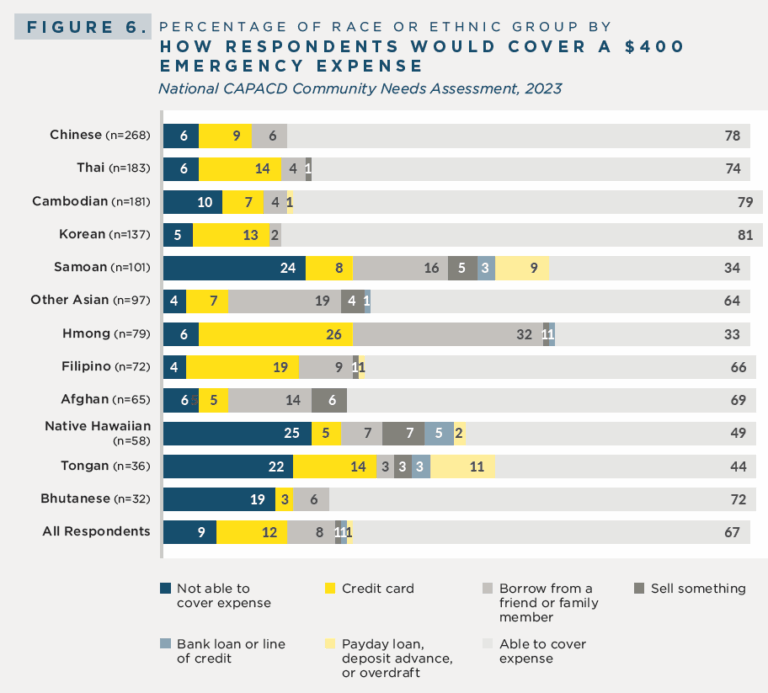
National CAPACD also released two new reports on the post-COVID economic recovery needs of low-income AA and NHPI communities: Moving Towards an Equitable Economic Recovery in AA and NHPI Communities and Financial Insecurity and the Road to Pandemic Recovery Among Low-Income South Asian Americans. The reports highlight disaggregated data from a community needs assessment survey administered to over 1,800 AAs and NHPIs to better understand their financial health and priorities for post-COVID recovery.
National CAPACD Announces New Comprehensive Community Development Initiatives
National CAPACD has continued to be the national leader in advancing comprehensive community development and advocating against gentrification and displacement of low-income AA and NHPI neighborhoods and communities. Through peer cohort learning models and culturally-centered technical assistance, National CAPACD is developing capacity-building programs and increasing a broader peer learning network of both established and emerging place-based organizations engaged in this holistic approach.
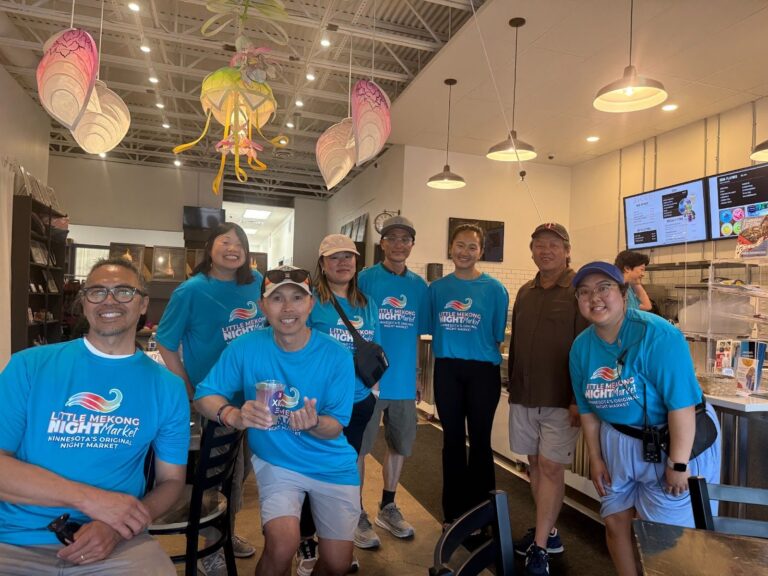
National CAPACD’s newly launched Cultural Anchors program offers sustained investment and support to build the capacity of place-based organizations working with AA and NHPI communities to advance comprehensive community development. Participants in the program convened in person throughout the year to share their community-led planning processes. At their first program convening in St. Paul, MN, participants met with the team from the
Asian Economic Development Association (AEDA) to learn how they run their annual summer Little Mekong Night Market. Later in the year, they met in White Center, WA, and received a tour of the White Center Community Development Association (WCCDA)’s newly opened community real estate project, Hope, Unity, Belonging (HUB) and Canopy Apartments.
National CAPACD also launched our Real Estate Project Managers’ Learning Space, which provides project managers a space to connect, share neighborhood real estate development approaches, and problem-solve current financing and construction challenges. The learning space met throughout the year, where participants heard from Little Tokyo Service Center (LTSC) about partnering with local developers, Seattle Chinatown International District Preservation Development Authority (SCIDpda) and Friends of Little Saigon about the development process for the Landmark Project in Seattle’s Little Saigon, and the Our Neighborhoods Capital Fund (ONCF) about their mission to advance community-serving commercial real estate projects.
Our Neighborhoods Capital Fund (ONCF) Makes First Loan to Little Tokyo Service Center
The Our Neighborhoods Capital Fund (ONCF), National CAPACD’s emerging Community Development Financial Institution (CDFI), reached a key milestone this year with their first loan to Little Tokyo Service Center (LTSC) in Los Angeles, CA. This loan is strategically designed to preserve community heritage and prevent displacement in Little Tokyo’s historic cultural district. The ONCF’s loan is a targeted investment that supports community ownership, economic resilience, and cultural preservation by providing flexible, affordable financing that centers local stakeholders. ONCF’s loan to LTSC is a testament to the importance of CDFIs in channeling capital and resources to under-resourced communities and protecting the neighborhoods they call home to facilitate an inclusive economy for all.
Established by National CAPACD in late 2023, ONCF is dedicated to addressing the capital needs of organizations that work with low-income Asian American and Pacific Islander communities. Through strategic investments and capacity-building resources, ONCF will help prevent displacement and support thriving neighborhoods.
National CAPACD Launches New Website to Elevate Our Impact
National CAPACD recognizes the importance of communicating our work and impact through data and stories. Toward this goal, we launched a new website, which features two new sections that highlight National CAPACD’s impact on community-based organizations, individual community members, and broader systems change:
- Our Impact: Learn about National CAPACD’s programmatic impact in low-income communities, including AA and NHPI communities, through data.
- Impact Stories: Learn how National CAPACD is supporting our coalition members and the communities they serve.
This new website was designed with direct input from our stakeholders, obtained through interviews and a survey, to learn how our coalition members, national partners, and funders use our website and what information is most important to them.
National CAPACD’s Coalition Comes Together Throughout the Year
National CAPACD brings our coalition together to provide spaces for connection where they can share ideas, learn best practices, and build community. Throughout the year, we have brought the members of different networks within our coalition together at a series of convenings across the country, from Portland, OR, to Washington, D.C.
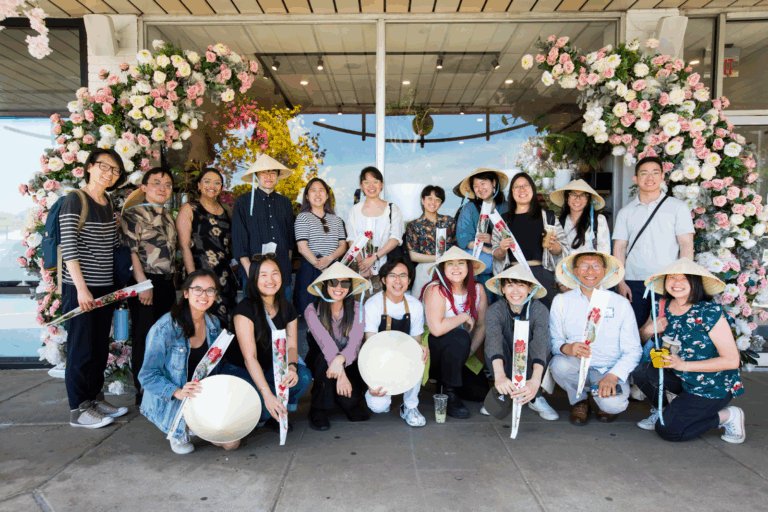
National CAPACD’s Small Business Program participants met for our 2025 Small Business District Stabilization Regional Convening in Washington, D.C. This convening brought together 15 participants from 10 organizations to learn from one another about how their groups support low-income AA and NHPI communities on issues of gentrification and displacement. BPSOS VA led participants on a tour of the Eden Center in Falls Church, VA, the largest Vietnamese commercial center on the East Coast, where they met with local small business owners. They also heard from Viet Place Collective about their work preserving the shopping center’s historic and cultural significance through anti-displacement advocacy and organizing.
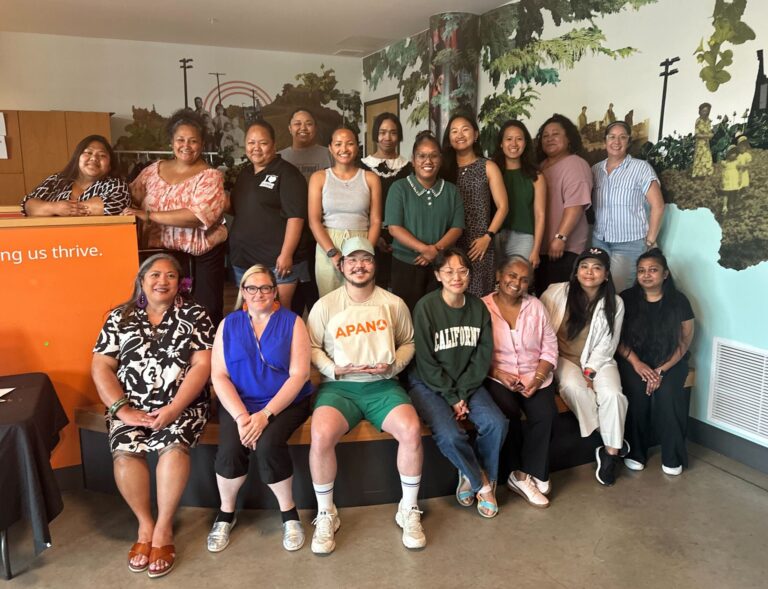
National CAPACD held our Empowerment Economics Summit in Portland, OR. Twelve of our members attended this training to learn more about Empowerment Economics – a culturally responsive framework to approaching financial capability in low-income AA and NHPI communities, as well as other BIPOC communities. Participants shared tips and strategies to address barriers their programs or organizations face in implementing the framework, and developed action plans to bring back to their communities and organizations. Participants also joined a community walking tour led by APANO, which hosted the convening at their Art + Justice Lab / Event Space. The tour showcased small businesses, housing developments, and other economic development projects in Portland’s Jade District.
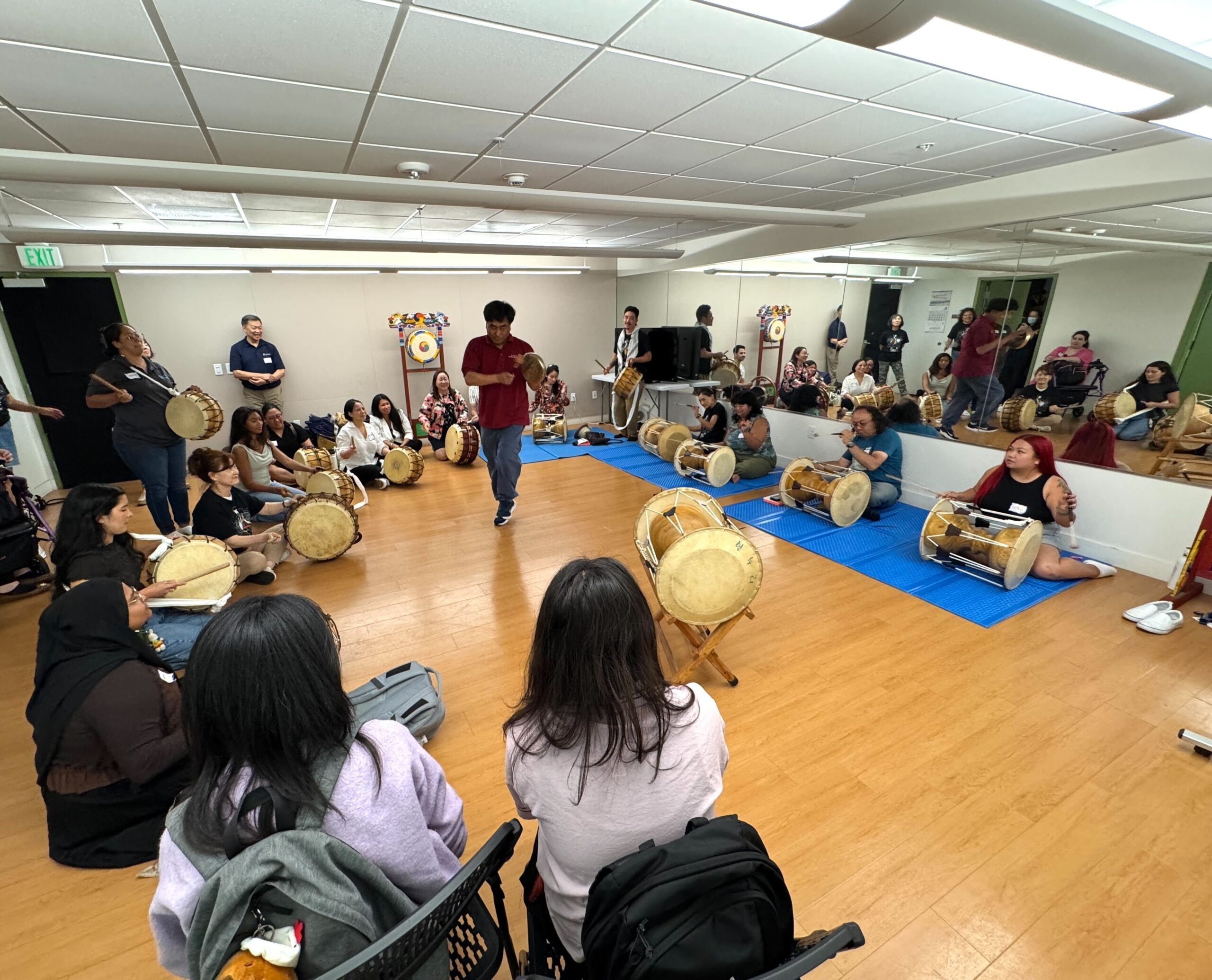
National CAPACD’s Housing Counseling Network members took part in our annual Housing Counseling Convening in Los Angeles, CA. Twenty housing counseling staff and counselors from National CAPACD’s network of 16 agencies came together to exchange best practices and build connections to strengthen their programs and impact. Participants joined a tour of Koreatown, led by our hosts, the Korean Resource Center (KRC), which explored Korea’s cultural influence in the United States. KRC staff concluded the day with a pungmul (traditional Korean drumming) performance, demonstrating how this cultural tradition is integral to their organizing and advocacy for Korean and immigrant communities.
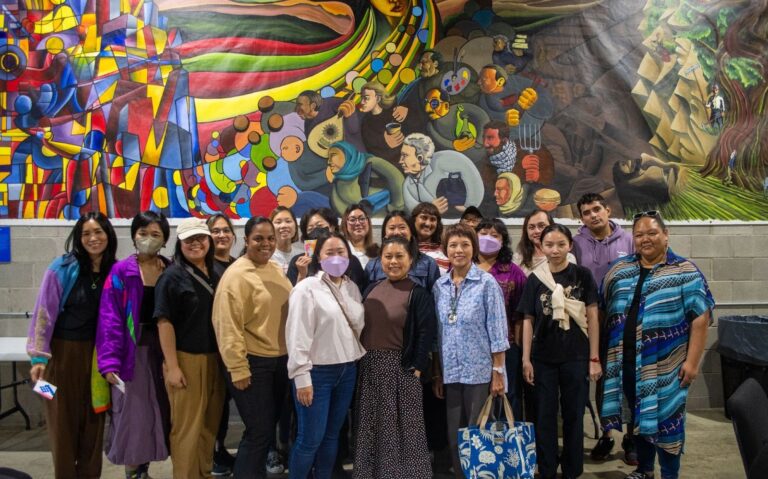
National CAPACD held a convening for the 2025 #OurNeighborhoods Peer Learning cohort in Detroit, MI. For five months, organizers and advocates from 12 community-based organizations met virtually to share challenges and strategies in anti-displacement work. This in-person convening served as the culminating event for the #OurNeighborhoods program, where participants deepened their connections and discussed the history of AA and NHPI organizing against gentrification. Participants also visited the Arab American National Museum in Dearborn, MI, and the James & Grace Lee Boggs Center to learn about Detroit’s rich history and ongoing community-building work.
National CAPACD Celebrates 25 Years of Empowering Leaders, Mobilizing Communities
National CAPACD commemorated our 25th Anniversary with a series of gatherings throughout the year and digital storytelling projects that celebrated how far our coalition has come—while meeting this political moment with the same courage, solidarity, and imagination that brought us together 25 years ago.
In June, we hosted a celebration gala in Washington, D.C., gathering coalition leaders, founding members, and longtime supporters to honor 25 years of empowering leaders and mobilizing communities. We also convened a policy forum that brought community leaders together to advance locally grounded policy solutions addressing the challenges facing low-income communities.
Throughout the year, we held coalition convenings in the Bay Area, Twin Cities, and Washington, D.C., creating additional spaces for connection and strategy. These regional gatherings provided coalition members with the opportunity to share stories from their organizations and communities, build collective responses to emerging challenges, and inform our national advocacy through their local experiences.
To recognize this milestone digitally, we shared a 25th Anniversary video and an interactive timeline to chart the trajectory of National CAPACD’s advocacy, organizing, and community development work. The timeline highlights key milestones in our history, serving as both a living archive of our coalition’s achievements and a blueprint for what remains possible through collective action.